Minimalist Tattoos: Does it last or blur?
Last updated: 2026/09/14
In my first 6 years of tattoo career, I focused on the fine line geometry tattoo style, sometimes minimalist fine line pieces (when the clients request it, it shares the same technique as the fine-line geometric tattoos). And here are some experiences, understandings and honest thoughts from making those tattoos: Minimalist tattoos are like icebergs. A lot of times, people (Including clients and tattoo artists who specialize in other styles) only see the above water part: it seems to be a very simple, small thing to make, but under the water, it is actually one of the most difficult tattoos to design.
Some tattoo artists would agree that straight lines and circles are hard to make, but I'm not talking about the techniques here. That part naturally comes with experience. I'm talking more about the taste and design you need for this style of tattoo.
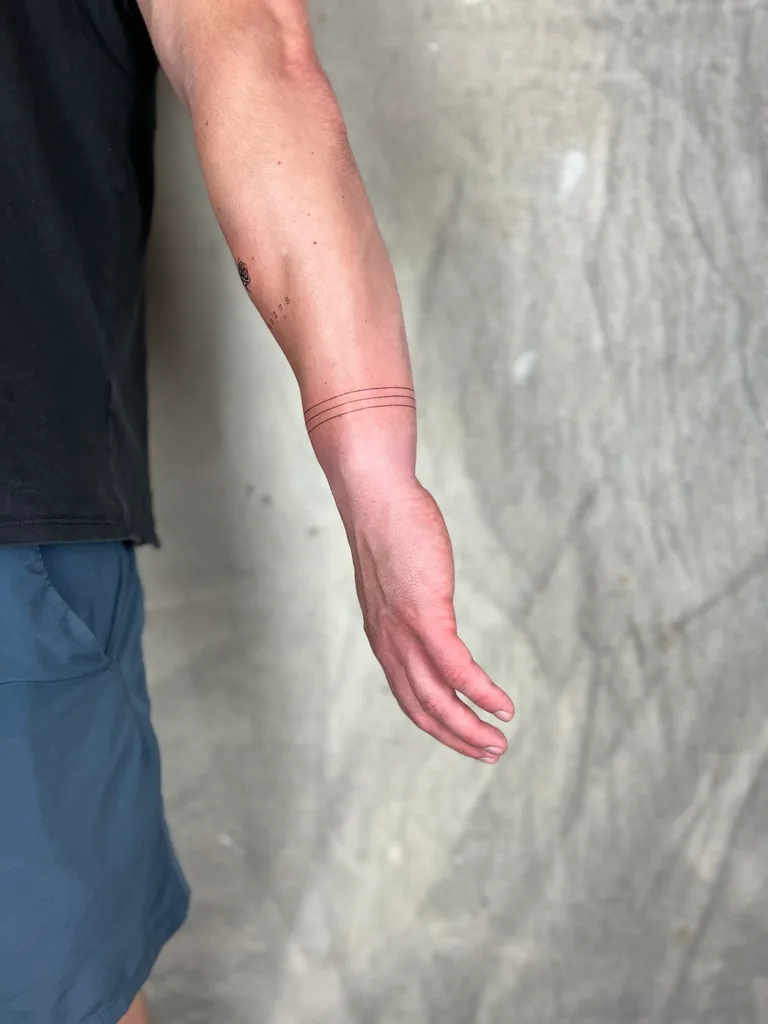
How much does a minimalist tattoo cost
If you walk in a random tattoo shop and ask for this type of design, you would end up paying between $50 and $200, what you actually pay is usually the studio's shop minimum, which sits around $80–$200 at most tattoo parlors in the US.
If you're booking a minimal-style tattoo expert and ask for a specific custom design, you could end up paying between $500 and $2500, what you actually pay is The tattoo artist spending a few hours up to a few days to polish your design, to pack all the meanings into the design, meanwhile still keeping it graceful and minimal. The actual tattoo session may take under one hour. What you're really paying for is the artist's years of design experience, taste, and hours spent on the design.
A short session does not mean you are buying the cheapest thing in the shop, and this is where expectations most often go wrong. Some clients understand minimalism as a cheap, small tattoo to start with; some other clients understand it as a specific style that requires unique design input. They are both not wrong, but you would have to find a like-minded artist for what you are expecting.
Going to a minimalism expert and asking for an expert-level minimal tattoo as if it's a cheap, easy, small thing is like an insult to the artist, Because the design work put into that tattoo might be huge. Going to a random shop and asking a random artist for an expert-level minimal tattoo is too much — this tattoo style needs very specific art background.
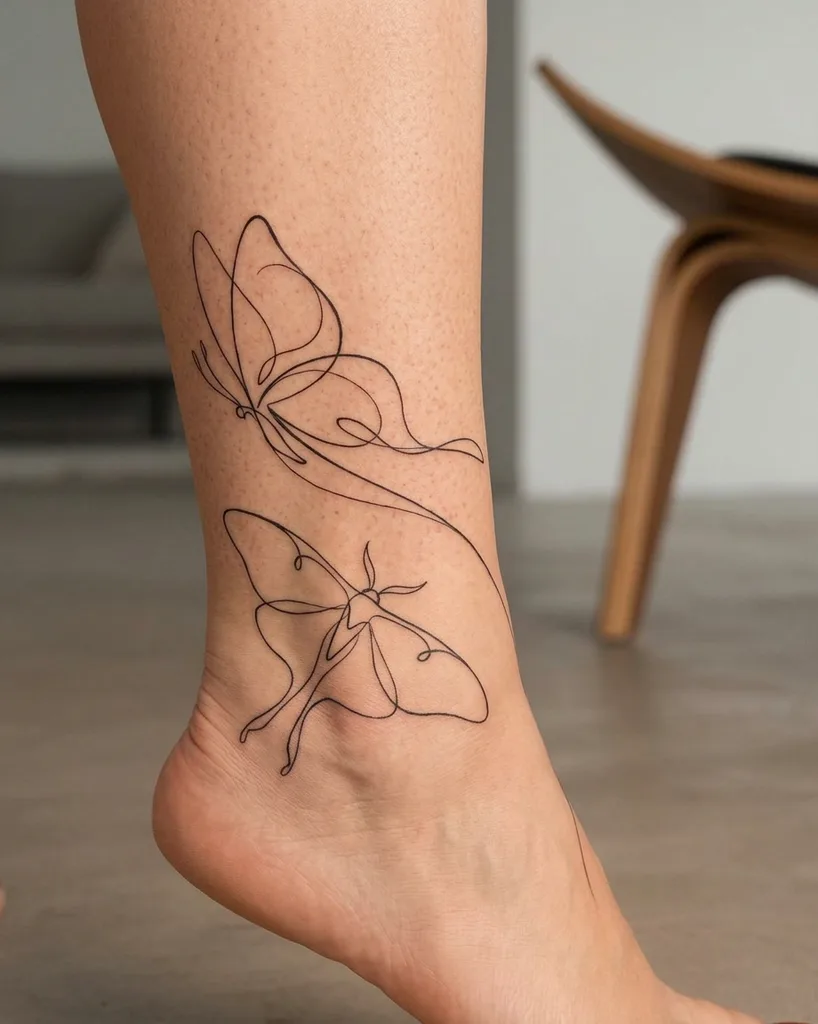
What is a minimalist tattoo
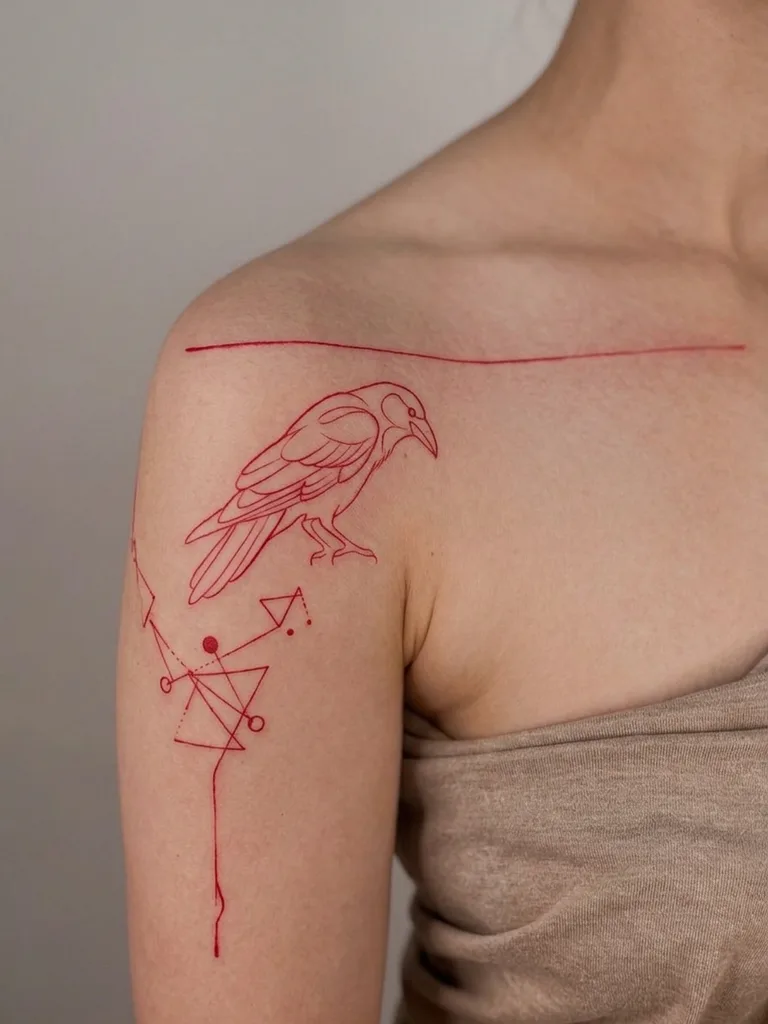
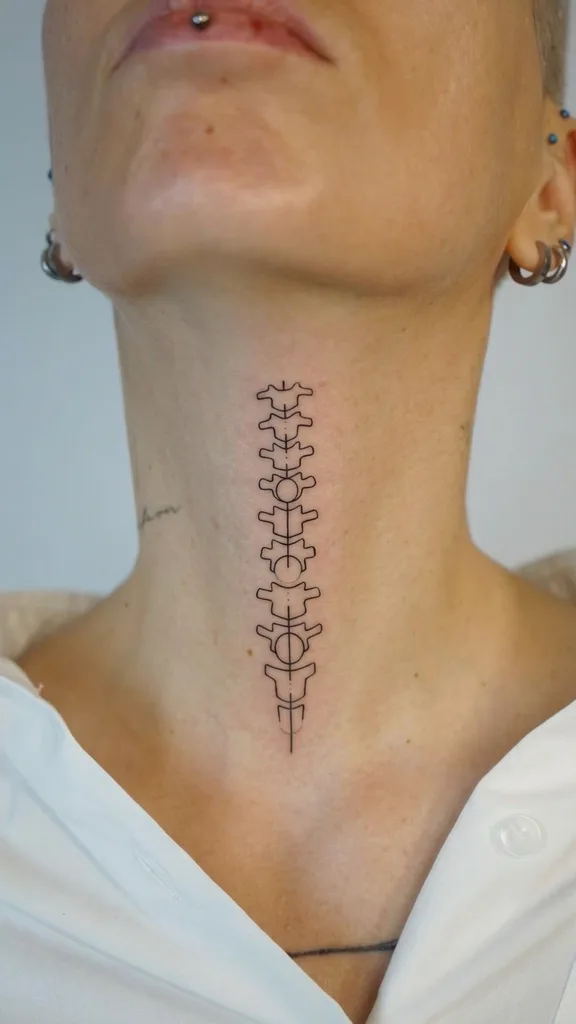
A minimalist tattoo reduces its subject to the fewest marks that still carry it — single-line drawings, small symbols, initials and dates, simple animal forms, abstract shapes. The defining move is removal, and you start with an image and take away everything that is not doing work.
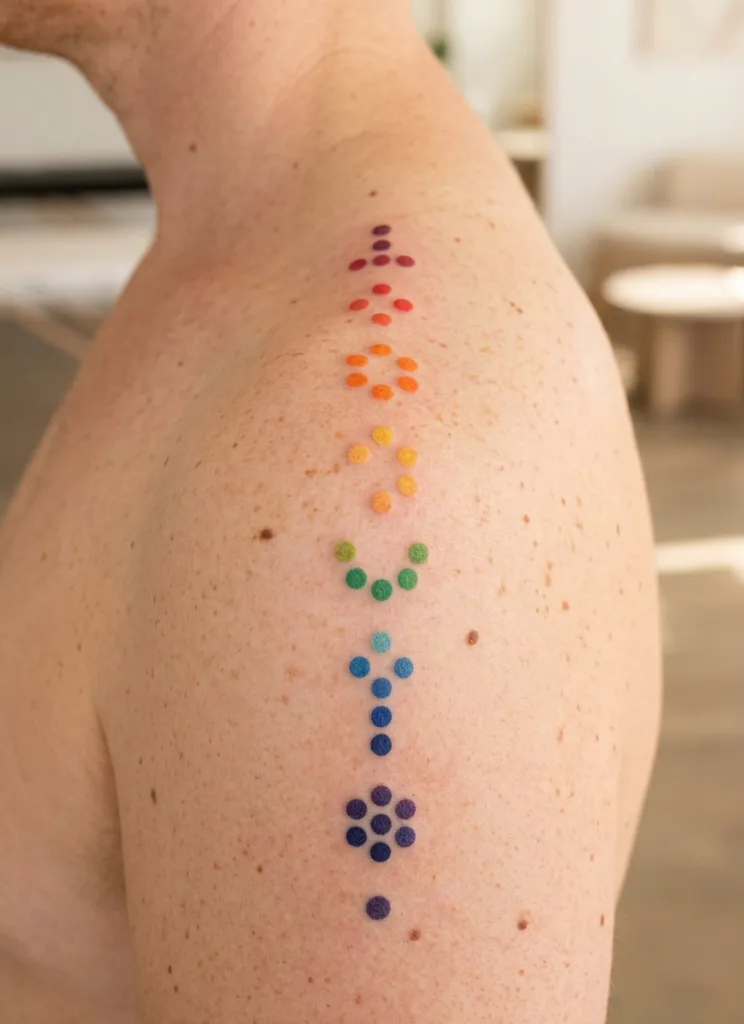
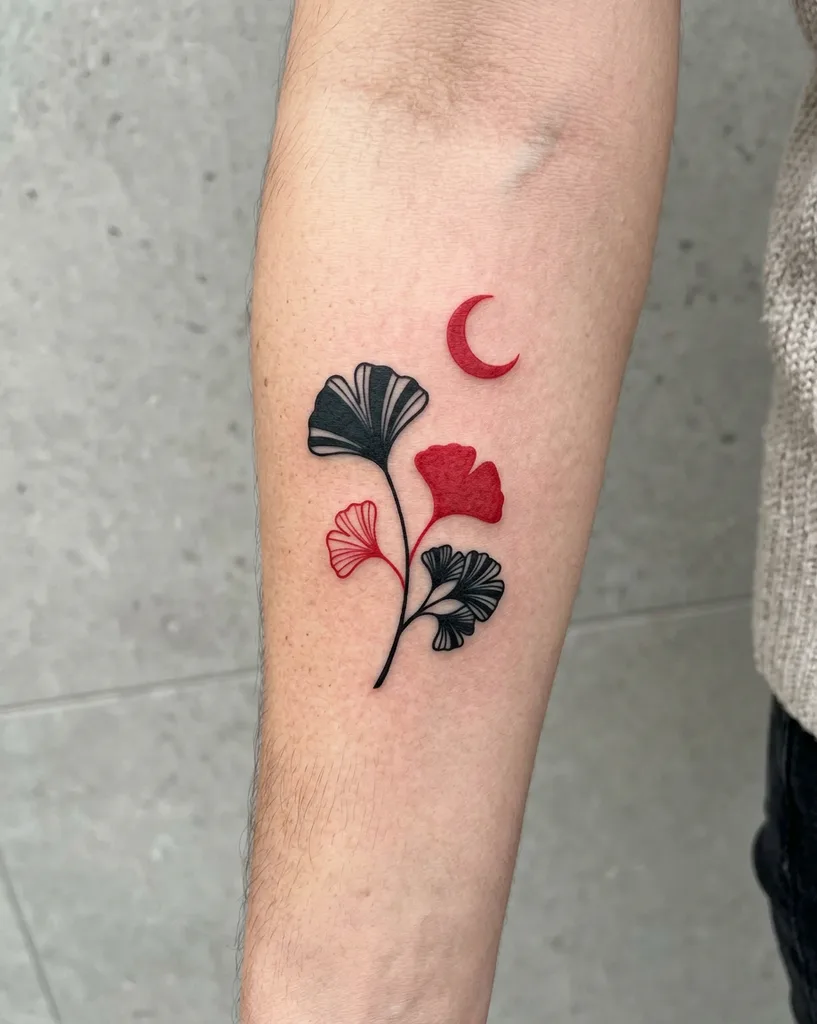
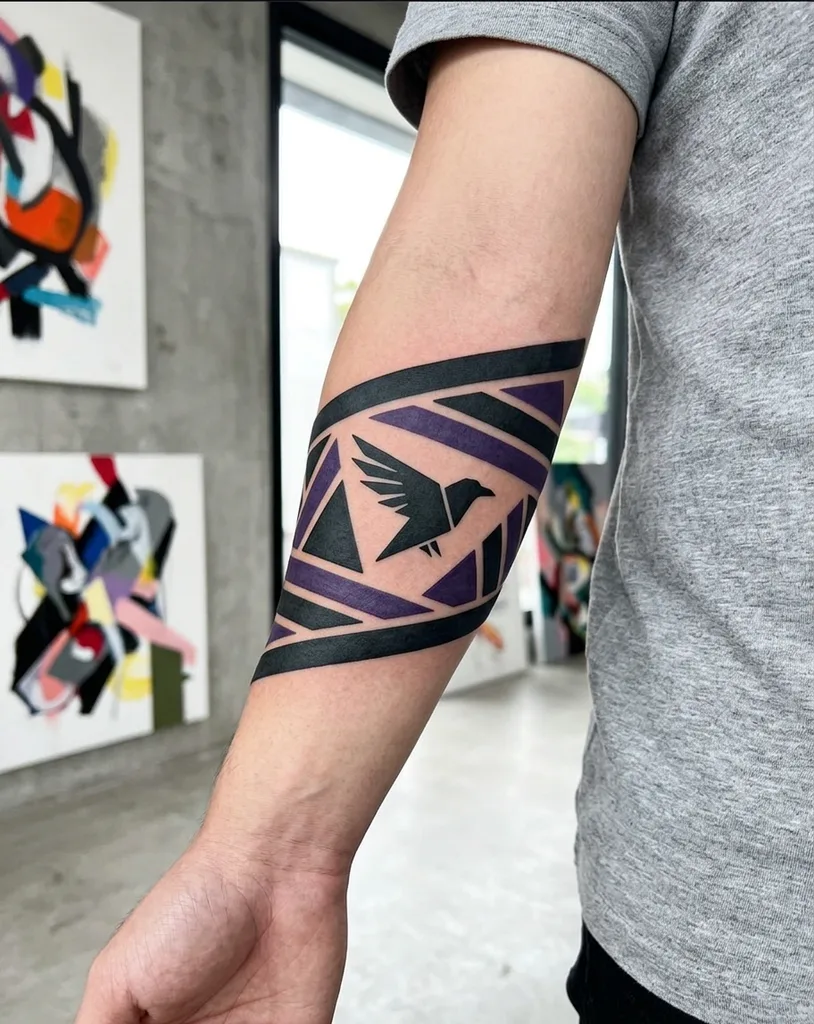
It is not only fine line. Solid blocks of colour or black can be minimalist too, as long as the composition is stripped back, and some of the strongest spare designs are shapes rather than outlines. What usually falls outside the style is graded grey shading, because the moment you are building tone you are adding information back in rather than taking it away.
It is also not the same thing as fine line, although the two overlap so constantly that the words get used interchangeably. Fine line describes how the tattoo is made, with thin crisp lines and a small needle. Minimalist describes what is contained in the design. You can have either one without the other, and knowing the difference is how you ask for the right thing.
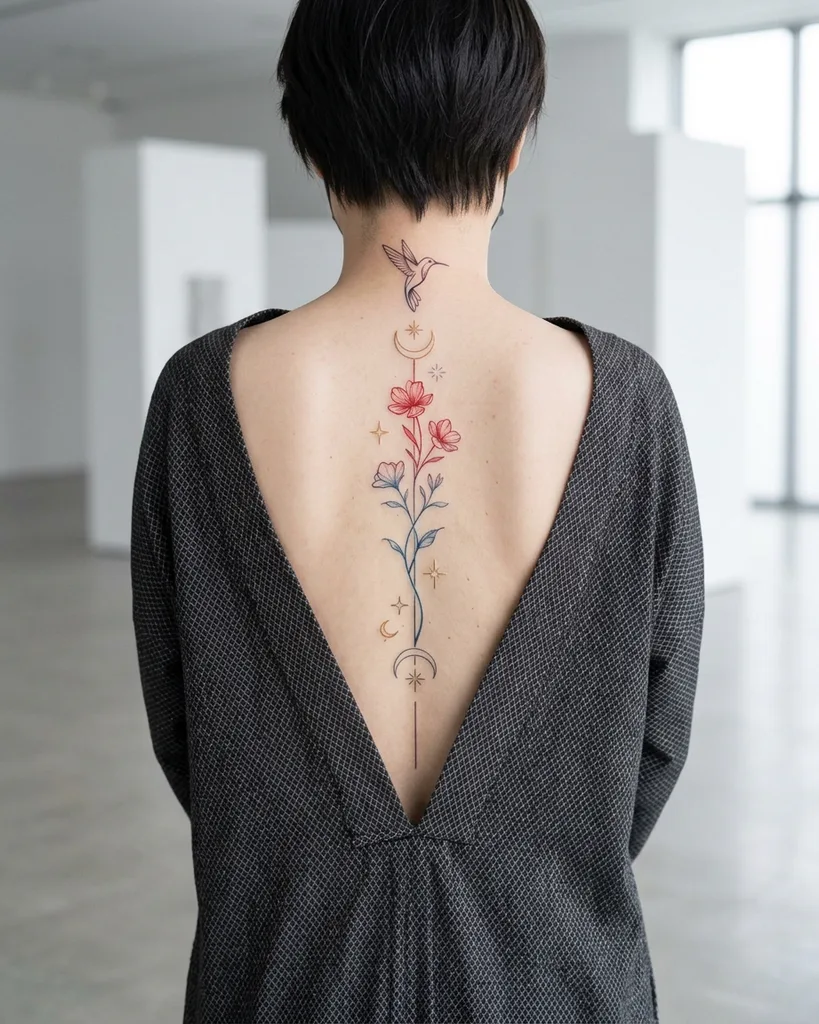
It is not just a small tattoo, small means size, and small tattoos can be very busy and crowded. Minimal tattoos should be the least crowded tattoo. In fact, they do have a clean, elegant, and graceful look, which goes against being small and crowded. Minimal tattoos can be in big sizes.
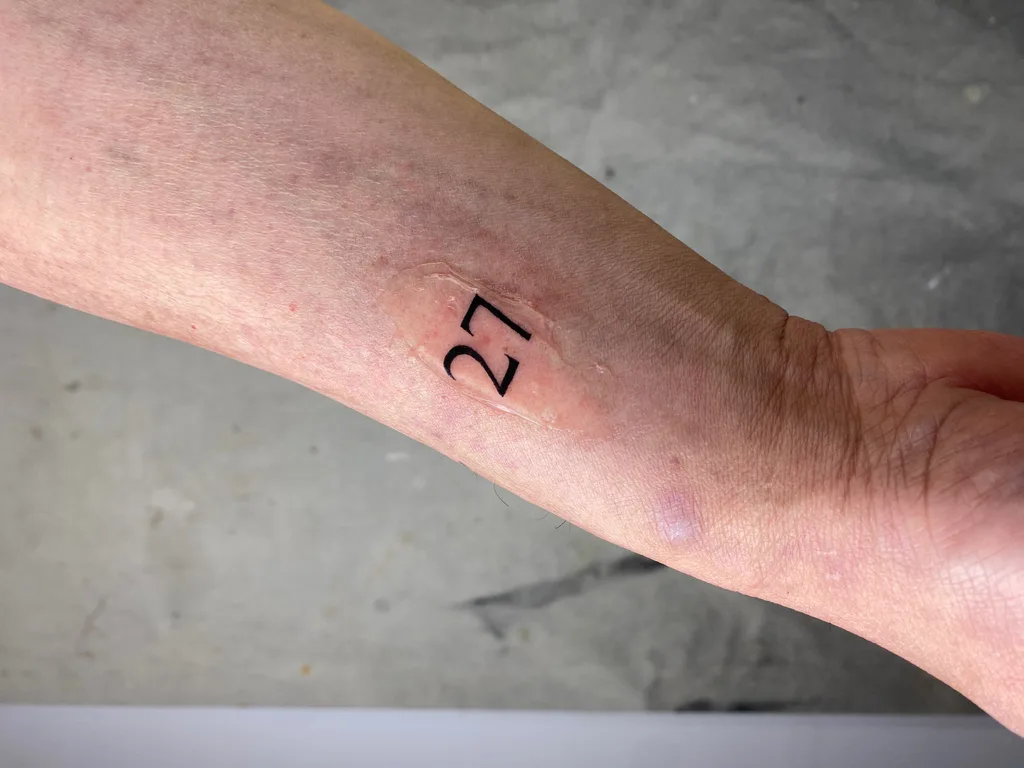
Where to put a minimalist tattoo
Flat areas, the good spots are the ones when they have enough flat area for the design to sit without wrapping — Since it's already minimal, having to be wrapped around can make the design lose more information and become unreadable, unless it is designed to be a wrap-up. Forearm, shoulder blade, collarbone, calf and thigh are good placements.
Placements with a lot of space, blank space is actually part of the design to carry the elegance and minimalism. A minimal tattoo tucked into the gaps of other existing tattoos would lose its elegant look. And again, there are a lot of common confusions here: a lot of people mistake small tattoos for minimal tattoos. If you are actually thinking about just a small tattoo or a tiny tattoo, they are perfectly fine to get tucked into the gaps. Spare designs need room around them, not only inside them.
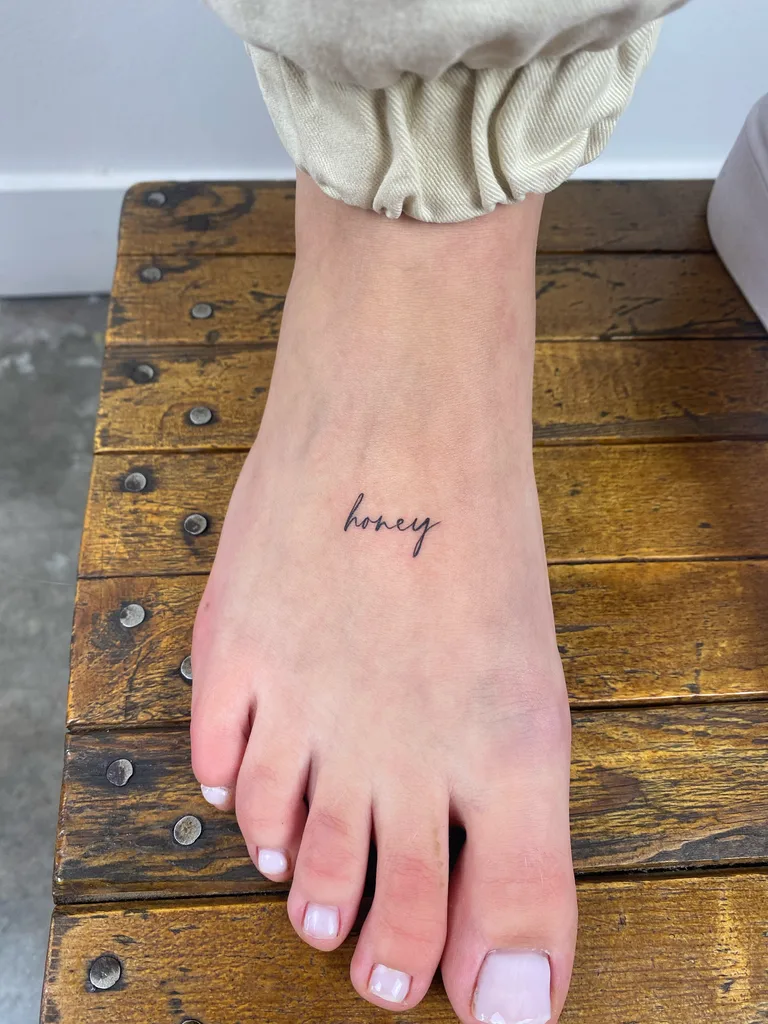
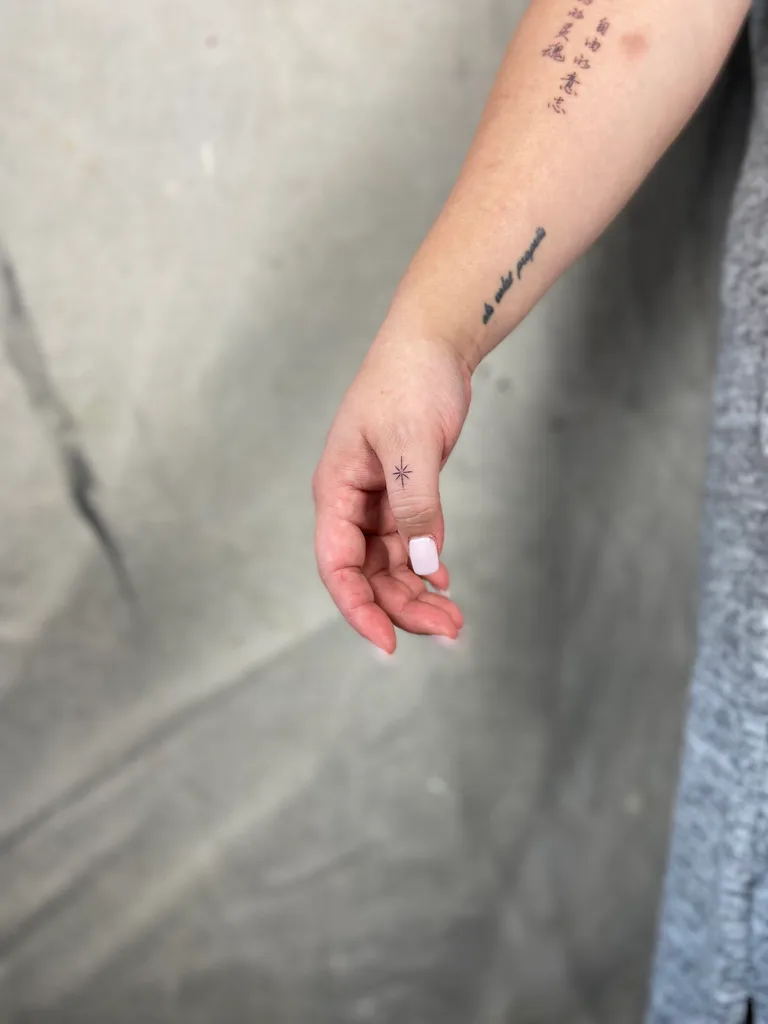
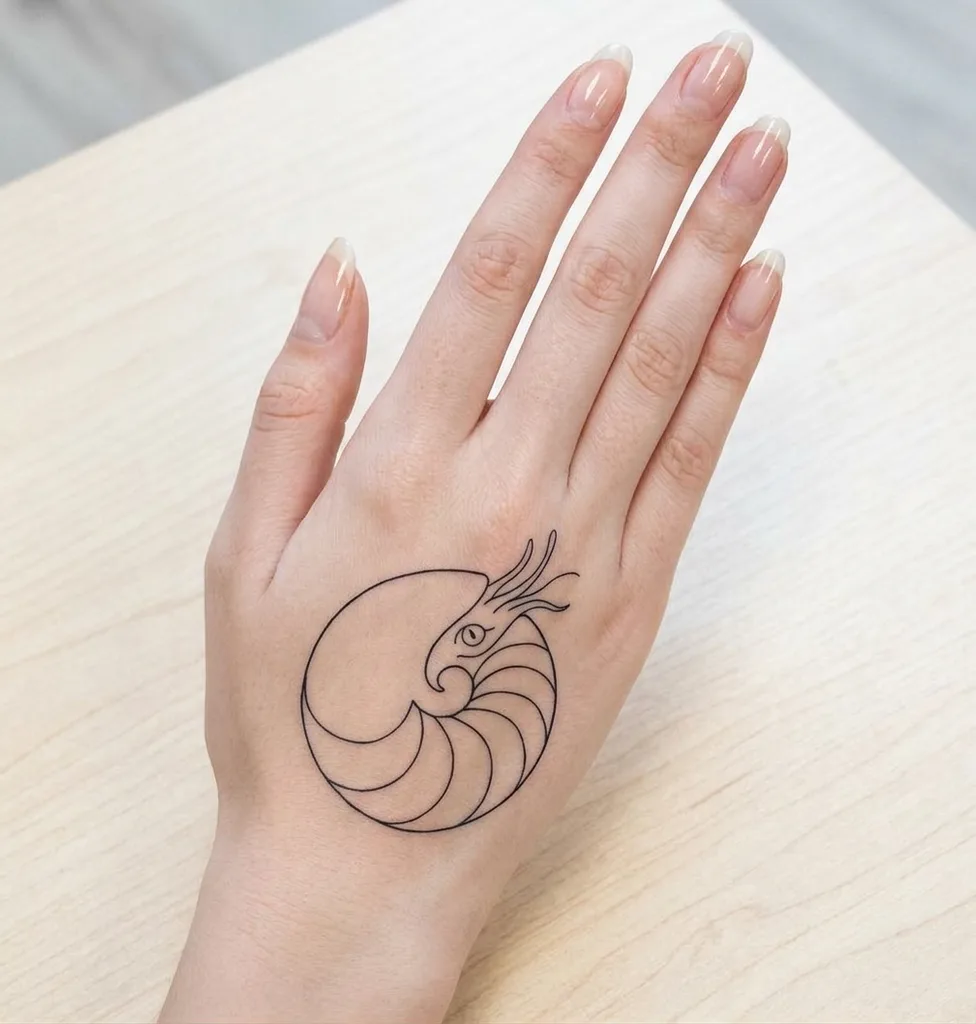
Small body parts are not the best. The ones worth thinking twice about are hands, fingers, feet and anything crossing a knuckle.
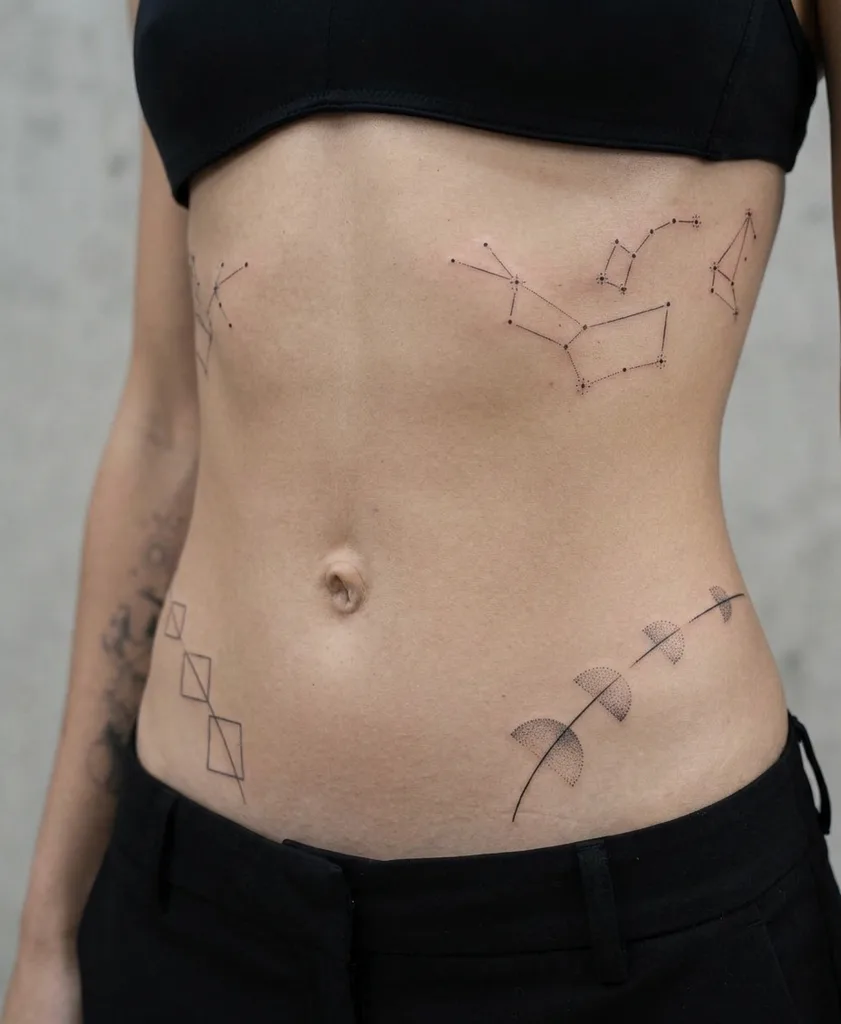
Generate a custom minimalist tattoo design — free, no signup.
Do minimalist tattoos last
They last, and they fade, and how much they soften comes down to 4 decisions.
Line weight and spacing. Thin lines sitting close together will migrate toward each other over the years and can eventually read as one mark, so space is the most protective choice available at the design stage.
No shading to hide behind. A traditional piece uses shading to mask a certain amount of imperfections of the line work, while a minimal design has nowhere to hide and flaws show directly. The style really tests an artist's technique on the linework.
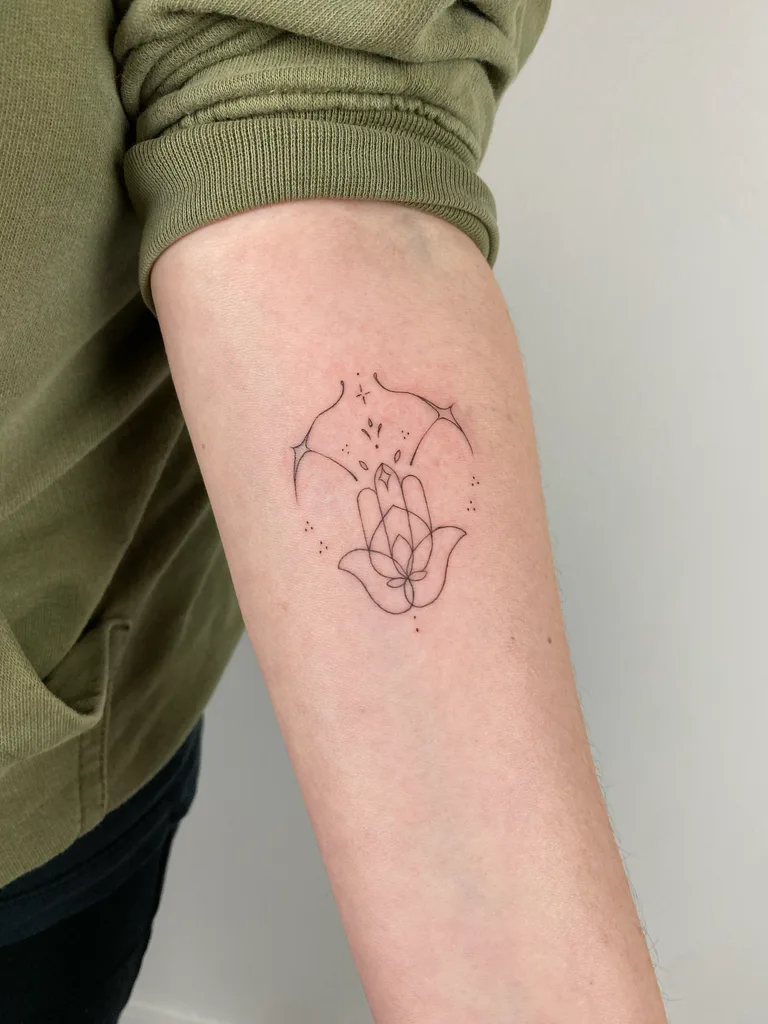
Placement. Sun-exposed spots age the work faster than the hidden ones, and if your tattoo is made out of a few lines, it feels like the fading is stronger than it actually is.
The artist. It is a little bit against intuition, but the artists who have very good taste usually have a strong art background, and because of that strength, they are usually people who have less technical strength — to be straightforward, people who can make very good designs a lot of times don't execute the tattoo as well as a traditional tattoo artist who has less art background (usually those artists focus on the skin and techniques better)
Put those together and the conclusion is straightforward. Minimalist is not a durability category.
Why people choose minimalist tattoos
- It is the lowest-commitment entry into tattooing. Usually small, quick to sit through, and the least painful since there is the least ink.
- It ages out of fashion more slowly than heavily stylised work, because a good minimal art lasts longer.
- Minimalism as a life attitude I don't have to explain more on that one.
The honest downsides
There is nowhere to hide anything. No shading to mask a wobble, no density to absorb a line that drifted.
The right artist is genuinely hard to find, which is the real constraint on this style.
Who I would talk out of it: Anyone who wants the piece small and detailed. Small is fine and detail is fine, but small and detailed together is the combination that fails.
Want a minimalist tattoo after reading this article? Describe your idea and get design ideas in seconds.
Design principles: taste is doing most of the work
The technical bar in this style is lower than people assume, and the taste bar is much higher. Most artists like to talk about how difficult it is to make a straight line or a perfect circle, which is true, but I personally think it is a secondary thing to think about.
The priority should be the design: what information to keep and what to take away. How can this design be elegant, minimal, and still carry all the meanings? This all comes from the artist's taste and art background, which is, in my opinion, a little bit underrated in the tattoo industry.
Composition before line weight. Talking about minimal tattoo designs, some artists would straight jump into using a single needle or a smallest needle. It isn't actually about the tattoo size or the needle sizing. It's more about the proportion and composition in between the tattoo and the body area, how big it reads from a normal distance, and how much empty space surrounds it, does it look clean or busy... so much to think about. Line weights can be above 5RL, even heavyweight lines such as 9RLs or 14RLs, but still look minimal and graceful.
Restraint during consultation. The most common way a minimalist piece goes wrong is that it tries to tuck too much information into it. One more element, one more detail, a little more add-ons — until it is no longer the thing you came in for.
Minimalist vs fine line: how to choose
Use minimalist when the idea is symbolic, or contains colors or certain pattern.
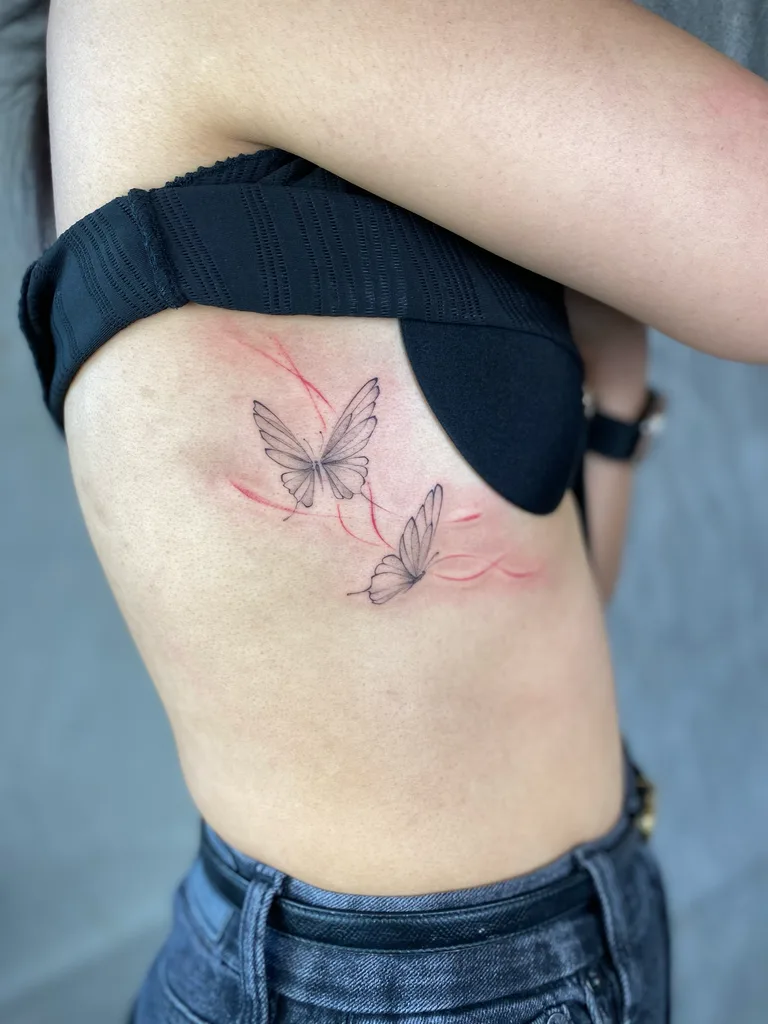
Use fine line when it is more flowy or organic, or contains simple shapes such as whip shading.
They do overlap a lot of times. And it's okay to not completely tell the difference or be very clear about what you actually want- In reality, there are so many tattoo styles and definitions, And even for a very clear definition, two different artists can have different personal understandings. The point is, as a client, to make sure all your expectations are clearly conveyed, and the same time you're not expecting too much out of what a minimal tattoo can carry — such as squishing too much detail into it.
Elements that hold up at this scale
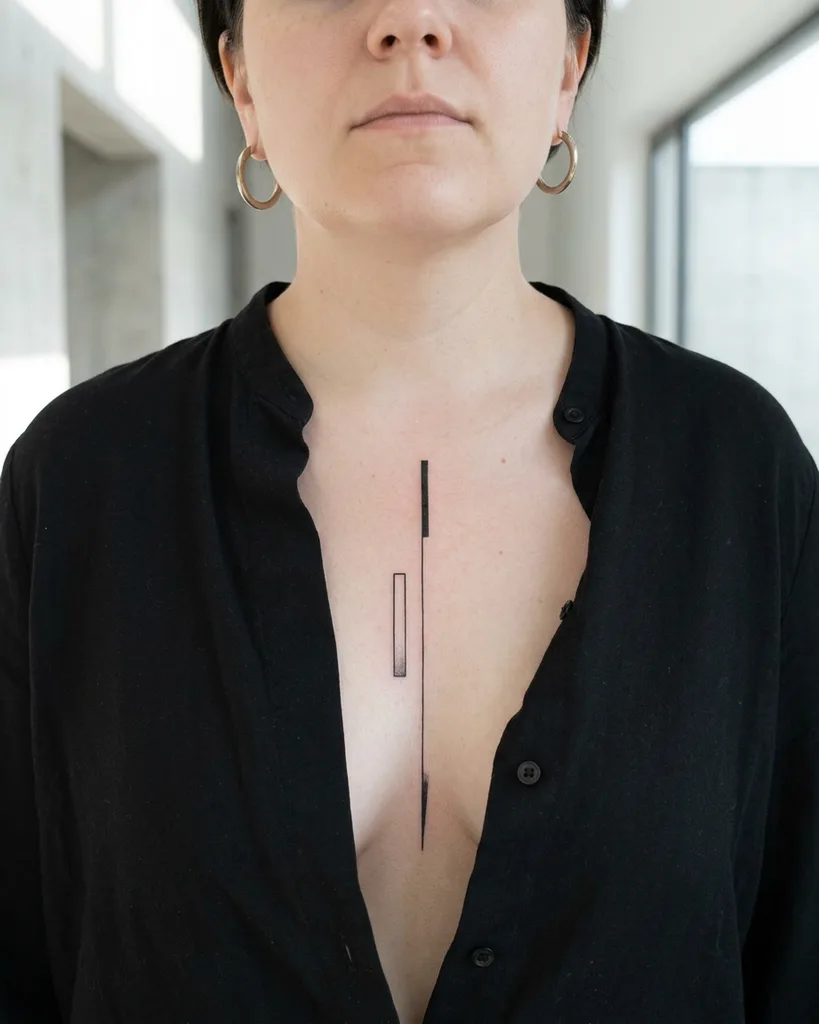
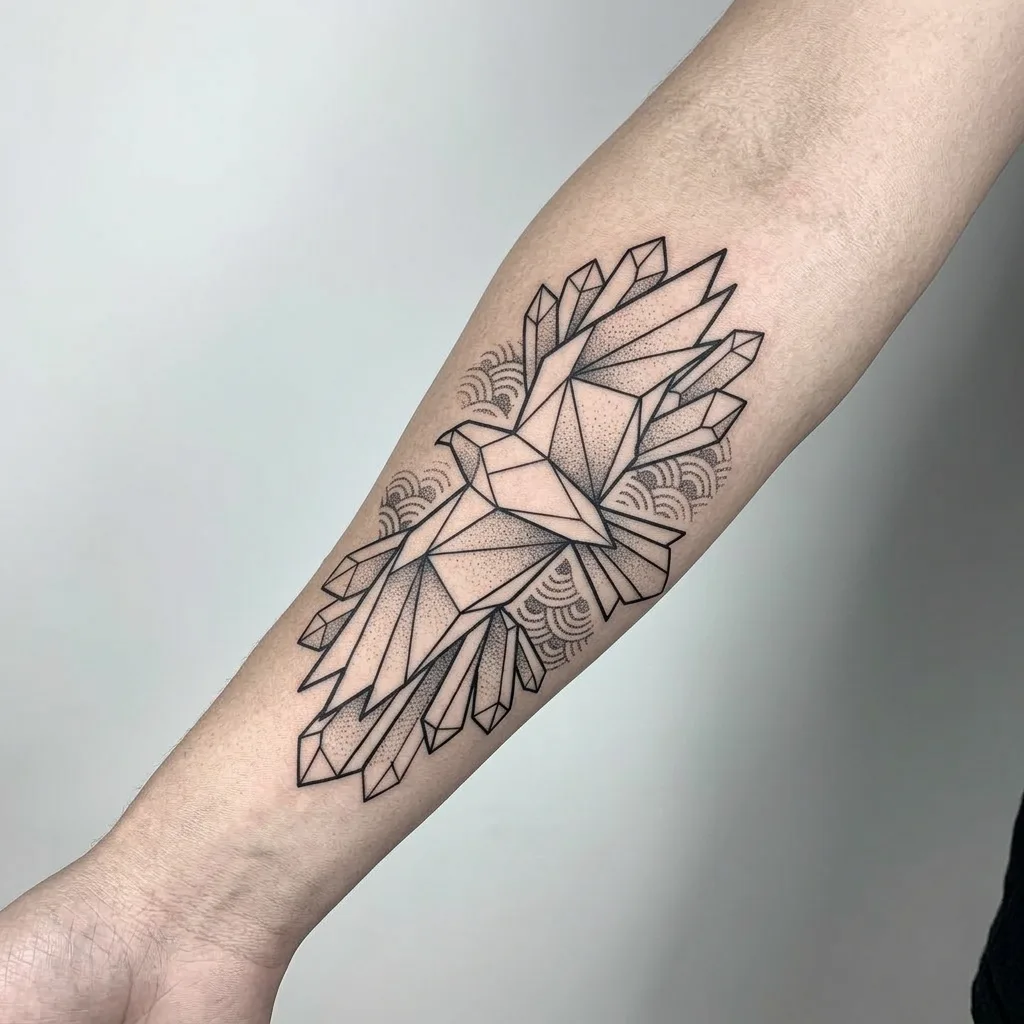
Geometric and linework shapes work well here because they are already built for a clean, mathematical look.
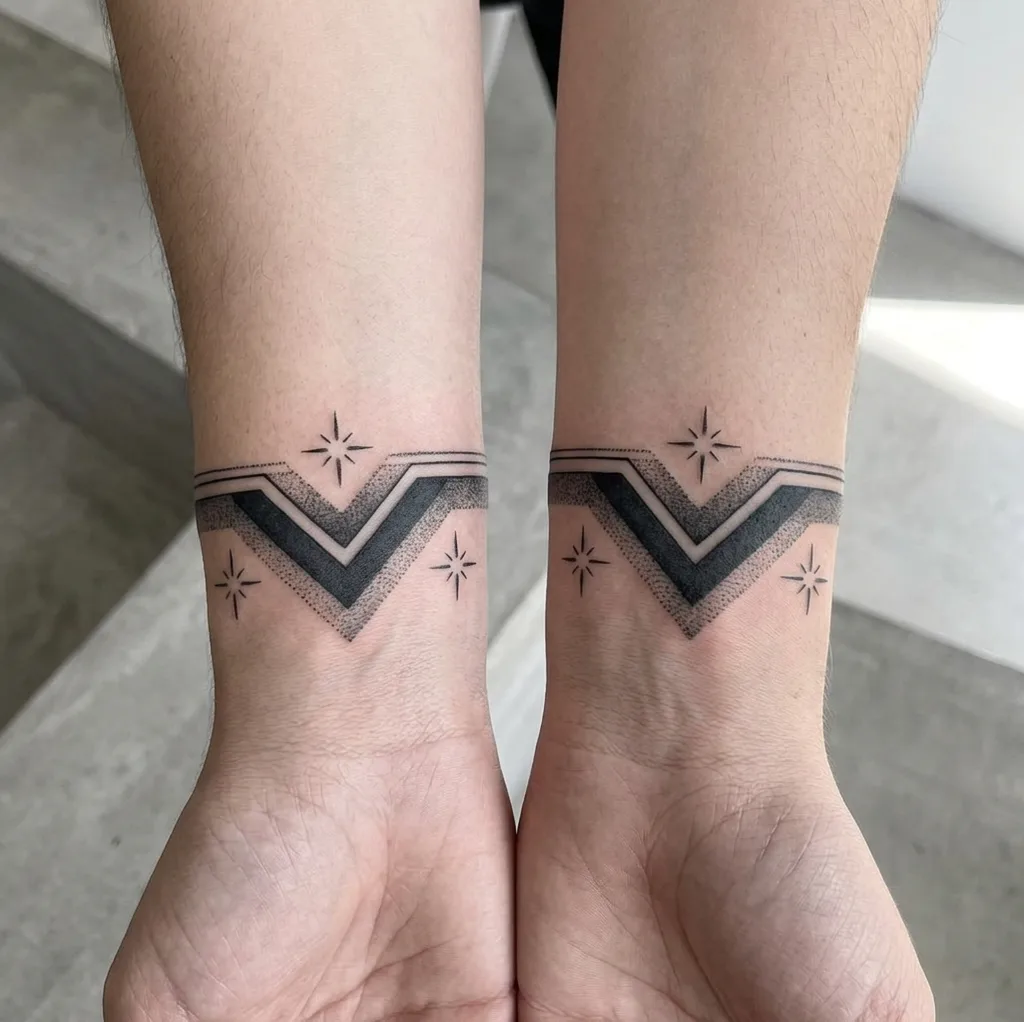
Solid shapes and blocks are underrated in this style and often age better than outlines, since a filled form has more ink holding it together.
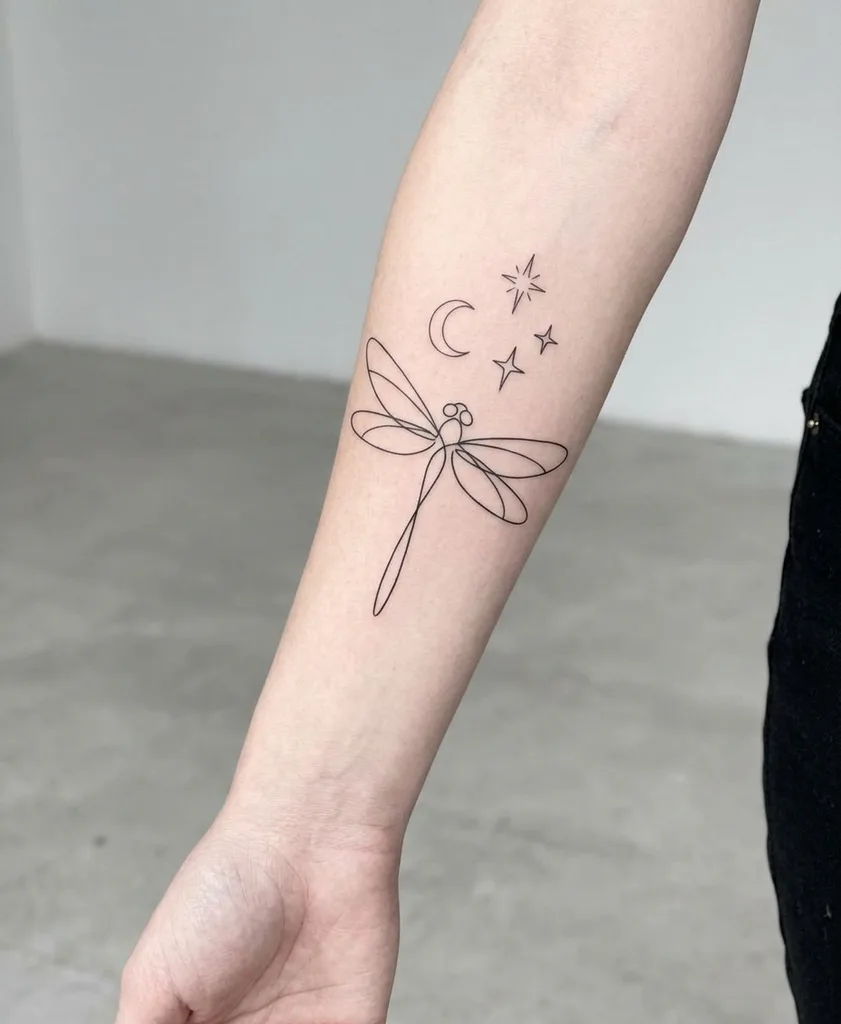
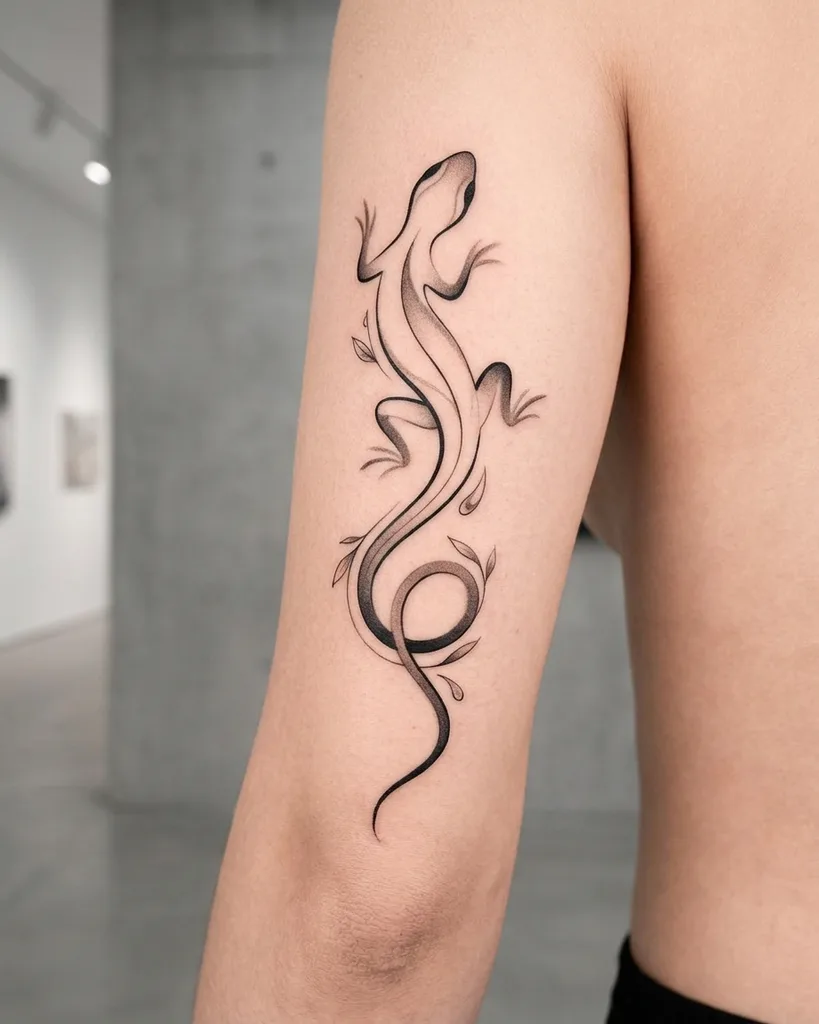
Single-line drawings work when the line is continuous and the loops stay open.
Small script and lettering carry the most risk, because letters depend on their interior gaps and those close up first.
How to pick an artist for a minimalist piece
This is the part that decides whether you are happy for a day or for a decade. Any tattoo artist can make a small tattoo, but not many artists can make a graceful minimal tattoo that you would love for ten years.
Look for taste first, technique second. It takes many years of art and design study for someone to build up that taste to be able to make a really good minimal design, but it only takes a few months for someone to build up good fine line tattoo skills from knowing nothing about tattooing. I'm only comparing this to tell you that it is much more difficult to find someone who has good taste than someone who has good skills.
Step back to explain more: if a tattoo has good design but poor skills, you could always run it over later to patch up. If a tattoo has bad taste but excellent execution, you would end up having a perfectly done but ugly tattoo.
Pick someone who does this every day. A steady hand at this scale comes from repetition, and an artist who works in a different style, or who only tattoos once in a while, will not have it on the day they do yours. Asking an artist to step outside their usual style for your piece does not work. Find the person who already does what you want rather than the person you already know.
Ask to see healed work at the size you want. Fresh fine linework photographs look beautiful on everyone, but a healed photo tells the truth.
A good artist will Try to guide you through the idea during the consultation, whether that is a design too small for its detail, Too much information for the size, or fine work on a knuckle that would have healing issues, and being told no with a reason is the best signal you will get in a consultation.
Pro tip about minimalist tattoos
Written by tattoo artist Jing
Ask yourself first whether you just want a small tattoo or you want an expert-level carefully designed minimal tattoo. Then go find your artist according to your need — if you're going to an expert minimal tattoo artist, don't enforce too much of your own design ideas or details on it, and try to give them fewer elements. In most cases, the fewer requests you give, the better outcome it is.
Try to prepare a lot of photo references to show the artist what you really want. A lot of times, language doesn't transfer the information completely, but photos do.
FAQ
How long does a minimalist tattoo take?
Most take well under an hour of actual tattooing and many are fifteen to thirty minutes. Budget time longer for the appointment itself, because stencil placement, checking the size against your body and getting the position right often take as long as the tattoo, and that is not the part to rush.
Is it bad to mix minimalist tattoos with realism tattoos?
It is not bad, but the two do compete for attention. Realism carries its image in continuous shading while minimalist work carries its image in isolated marks, so side by side the eye goes to the dense one. Leave real space between them.
How much does a small minimalist tattoo cost?
For a small simple tattoo, you will almost always pay the shop minimum, commonly $80–$200. The design being tiny does not reduce the setup, the sterilisation or the booking slot, so below a certain size the price simply stops scaling with the artwork.
For an expert-level minimal tattoo, you might be paying up to $2,500. It depends on how much design work goes into this tattoo.
How do I care for a fresh fine-line tattoo?
The same way as any tattoo. Thin lines show the results of poor healing more obviously than bold work does, so keep it clean, keep it out of the sun, leave the peel alone and skip the gym for the first week.
Will a minimalist tattoo need touch-ups?
More often than bold work, yes, so plan on a refresh at some point rather than treating it as one and done.
Is minimalist the same as fine line?
No. Minimalist describes the design, stripped to essentials, while fine line describes the technique, with thin crisp lines and often a single needle. They overlap so often that the words get used interchangeably, but you can have one without the other.

Written by Jing — 10+ years tattoo artist, 8+ years tattoo mentor who trained hundreds of tattoo students and apprentices.
@tattooartist_jingMore minimalist tattoos designs, updated regularly
Make a tattoo design with Inkspo - Free AI Tattoo Generator